Expat life comes with many adjustments Balinese name, and the transition can be a little overwhelming. Making friends, learning local customs, and integrating into your new community are all part of this process.
We all have our reasons for ending up in Bali – whether it’s for work, love, or just because it’s a pretty cool place to live. Regardless of why you relocated here, it’s important to know that integrating into your new community isn’t so different from integrating into any other new place.
The same principles apply wherever you go: making friends and learning about the people around you is half the fun of living somewhere new. And when it comes to meeting people and integrating into your surroundings, nothing beats knowing a little bit about the traditions and culture of that place.
So, here is everything you need to know about traditional name in Bali. Hopefully, this will help you look at Bali in another light!
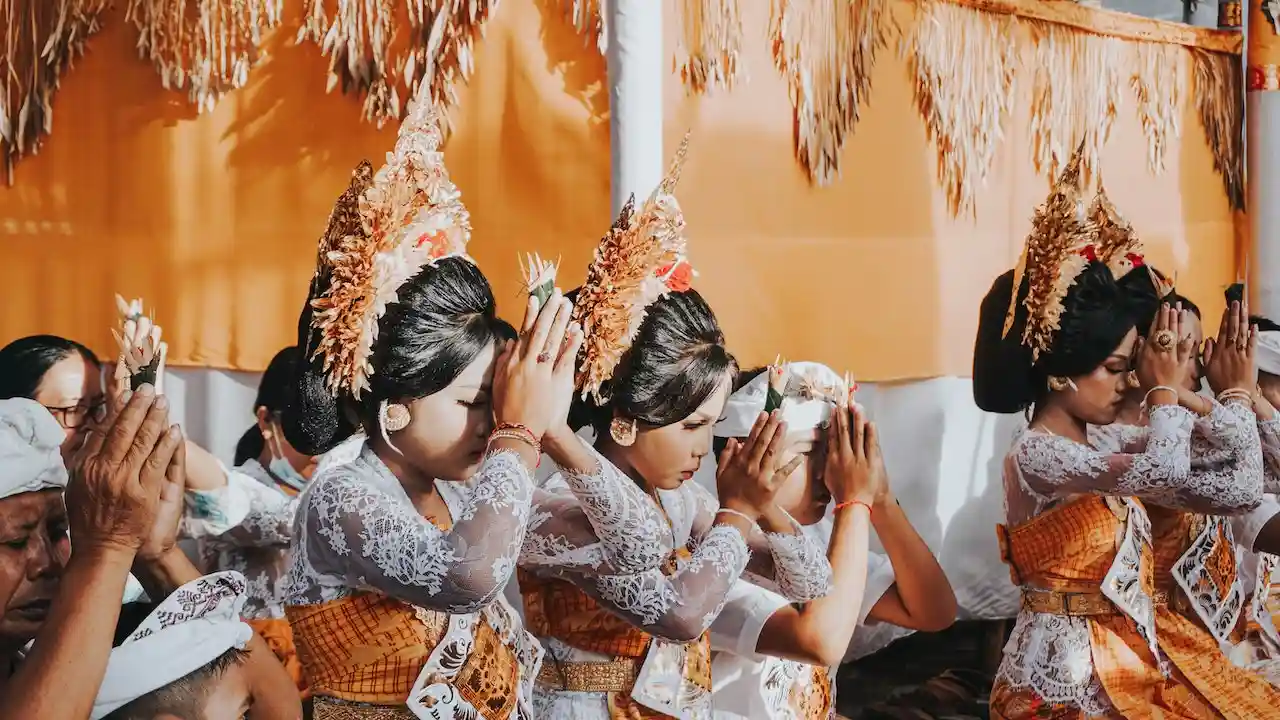
What is a Balinese Name?
A Bali name is a Balinese naming convention that uses a person’s family name followed by their given name. In the Balinese naming system, placing the family name first signifies the paramount importance of family and clan in Balinese society. As such, knowing your family name and its meaning is a great way to get to know the Balinese culture!
In the 14th century, the Majapahit brought the Catur Warna caste system to Bali, which is a part of Java’s caste system. Although the Balinese do not value the caste system as much as people in India do. It still influences Balinese society and customs.
Catur Warna provided the Balinese with names and titles that reveal a person’s caste, position, status, and heritage. This gave rise to social distinctions and made it possible for them to communicate with people of different statuses. The Catur Warna consists of Brahmana (brahmins), Ksatria (royal family or knights), Vaisya (merchants), and Sudra (workers or commoners).
The anak jaba (Sudra), which makes up roughly 95% of the Balinese population, is classified as the lowest caste due to their position outside the palace (living outside the palace). Their birth order determines this. Some historians hold the belief that this system existed well before the introduction of the caste system names in Bali.
Most Balinese Share the Same First Name
The Balinese share names so often because a Balinese name consists of three parts: a title, a birth order name, and a personal name, but doesn’t include a family name. In general, we wouldn’t refer to Balinese people by their names. However, over time, things have changed. Now, sometimes the Balinese will prefer their name when talking to foreigners.
Every Balinese child receives a birth order name corresponding to their rank. These names may vary depending on caste, regional customs, and variations in the Balinese language between the island’s north and south regions. This system remains actively used with Balinese Names in Nusa Lembongan, Penida, Ceningan, and western Lombok, the three neighboring islands.
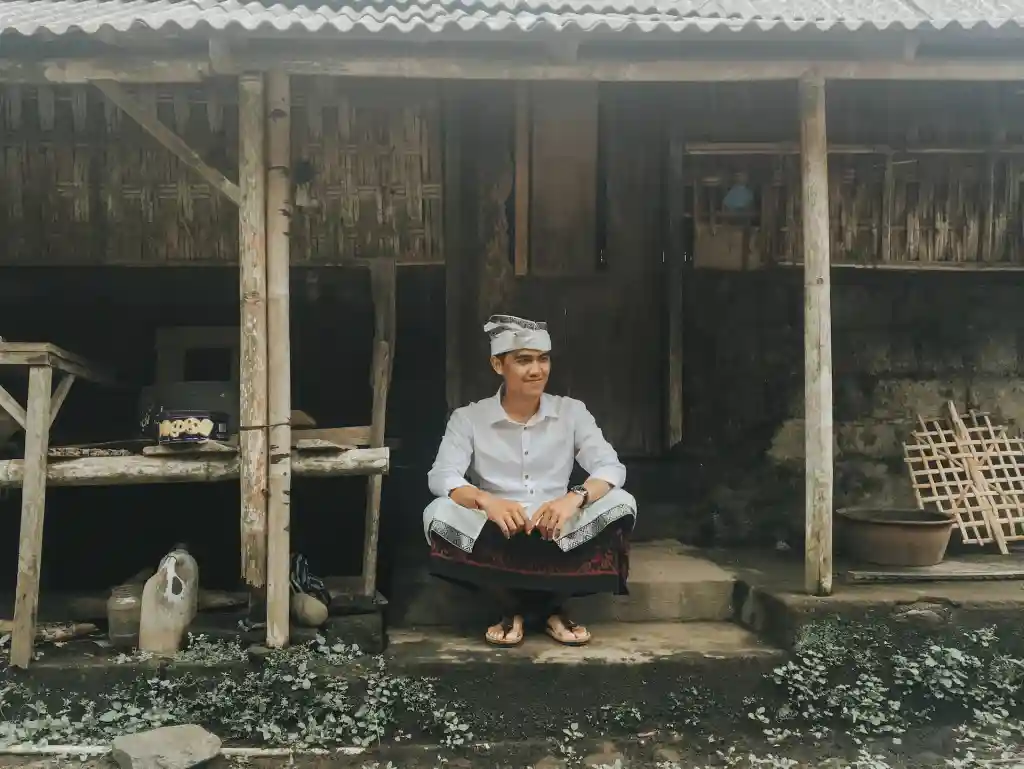
Balinese Names within the Birth Order
The position of a child in the family birth order influences the choice of a typical name. Balinese people use birth order names to address individuals. In Balinese culture, children of all genders receive identical names based on their birth order. Male and female children are not distinguished based on their Balinese name birth order.
A prefix may be used to specify gender, such as ‘I’ (pronounced “e”) for males and ‘Ni’ (pronounced “knee”) for females. In Balinese culture, an ‘I’ is placed before a name to indicate a male, and ‘Ni’ denotes a female.
- Wayan / Putu / Gede – First child
- Made / Kadek – Second child
- Nyoman / Komang – Third child
- Ketut – Fourth child
After the fourth child, the cycle may start again or be adapted with additions such as “Wayan Balik” (Wayan again). These names are often used in daily life, making it easier to understand someone’s place in the family.
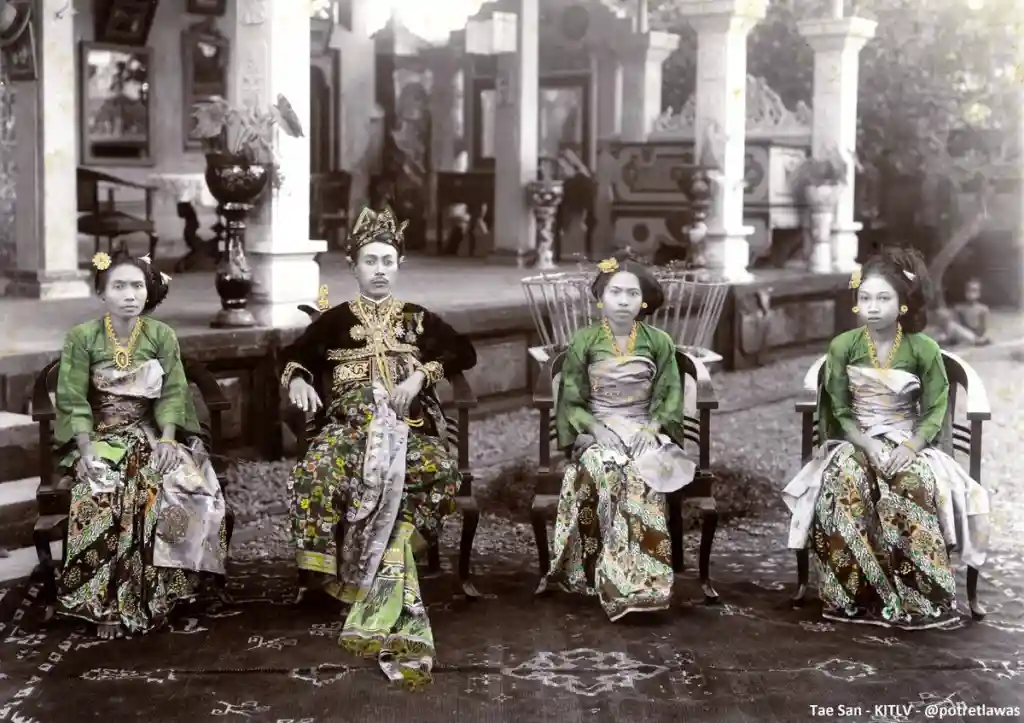
Balinese Name within Caste and Honorific Titles
Brahmana Caste
These names Ida Bagus (male Brahmana) and Ida Ayu (female Brahmana) indicate someone from the Brahmana caste. Brahmins are associated with academics and intellectuals.
Caste and Titles in Balinese Names In addition to birth order, names can also indicate a person’s caste or social status. While modern Bali is more egalitarian, these traditional titles are still used:
- Ida Bagus (male) / Ida Ayu (female): Brahmana caste (priests and scholars)
- Anak Agung, Cokorda, Tjokorda: Ksatria caste (royalty and nobility)
- I Gusti, Gusti: Often linked to noble or high-standing families
These titles are typically placed before the birth order name and are a source of pride and identity.
Gender in Balinese Names. Gender is also marked in subtle ways:
- I is a prefix for male names (e.g., I Wayan)
- Ni is a prefix for female names (e.g., Ni Made)
These markers help clarify gender in introductions and formal situations.
Modern Usage & Cultural Shifts As Bali becomes more globally connected, some families now blend traditional naming with modern or international names. For example, a child may be called “I Made Kevin,” combining a birth order name with a Western given name.
Ksatria Caste
The Ksatria caste, representing the aristocratic and military elite in Hindu culture, often comprises individuals elevated from the farmer caste. Among the Ksatria, the practice of using birth order names is prevalent. The Kastria will sometimes borrow the entire order of the farmer caste names.
Wesya Caste
In the Wesya caste, names often include titles such as Gusti or Ngurah, which signify noble heritage and social standing. These titles are placed before the birth order name and personal name, reflecting both lineage and position within the Balinese hierarchy.
Example Name of Wesya Caste:
- Gusti Ngurah Made – “Gusti Ngurah” shows noble status, “Made” indicates second-born.
- Gusti Ayu Putu – “Gusti Ayu” for noble women, “Putu” means first-born.
Sudra Caste
In Bali, the Sudra caste comprises the majority of the population and is recognized as the island’s commoner class. Unlike the noble Wesya, Ksatria, or Brahmana castes, Sudra names are simple but carry profound meaning. Each name begins with a gender marker—I for men and Ni for women. Followed by a birth order name such as Wayan (first-born), Made (second-born), Nyoman or Komang (third-born), and Ketut (fourth-born).
Historically, members of the Sudra caste have worked as farmers, artisans, and traders; however, today they can be found in a wide range of professions, including entrepreneurship and education. Despite these modern shifts, many still uphold Balinese traditions, participating in religious ceremonies and community rituals passed down for generations.
Example the Balinese Name of Sudra Caste
Male Names (Prefix “I”)
- I Wayan Putra – First-born son, “Putra” meaning son or noble.
- I Made Adi – Second-born son, “Adi” meaning youngest or noble.
- I Nyoman Arta – Third-born son, “Arta” meaning wealth.
- I Ketut Gede – Fourth-born son, “Gede” meaning big or great.
Female Names (Prefix “Ni”)
- Ni Wayan Sari – First-born daughter, “Sari” meaning essence or beauty.
- Ni Made Ayu – Second-born daughter, “Ayu” meaning beautiful.
- Ni Nyoman Lestari – Third-born daughter, “Lestari” meaning everlasting.
- Ni Ketut Dewi – Fourth-born daughter, “Dewi” meaning goddess.
Things to Know About Balinese Name (FAQs)
Why do many Balinese people share similar names?
In Bali, names follow a set structure rather than unique family surnames. Most people are named using a formula that includes a title, a birth order name, and sometimes a personal name. Because of this tradition, it’s common for many people to have similar first names, even if they’re not related.
What are birth order names, and how are they used?
A child’s name often reflects their order of birth in the family. The first-born is usually named Wayan, the second Made, the third Nyoman or Komang, and the fourth Ketut. If there’s a fifth child, the naming cycle starts again, sometimes with an added word like Balik (“again”).
Are birth order names different for boys and girls?
The birth order names themselves stay the same for both boys and girls. What changes is the prefix—I for men and Ni for women—placed before the rest of the name.
Do Balinese names show caste or regional background?
Yes, names can also reveal someone’s caste or origin. While the birth order tradition is consistent across Bali, specific titles, suffixes, or name styles are more common in particular castes or regions.
Wrapping Up: What’s in a Balinese Name?
Visiting or staying in a place is always better when you take the time to learn more about the local culture: Traditional Dance in Bali. If this is your first visit to Bali, it’ll certainly be a great surprise to the locals. If you know a little about traditional Balinese names. Sadara Resort has a new offer to Celebrate Nyepi Day, it’s the Nyepi Package. With price IDR 4.499.000 ++/couple, you can get sentational services by Sadara Resort so, don’t miss our package and watch more details for all of our Sadara Resort offers and packages in Nusa Dua, Bali.
Hope you enjoyed this article. Happy holiday!
P.S. Want to know more about Bali? Check out our Bali Travel Blogs to guide you while in Bali and Nusa Dua.